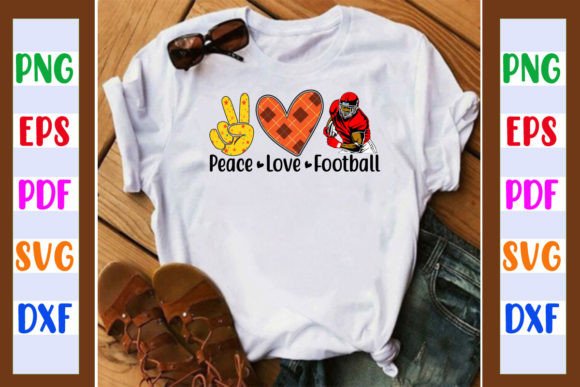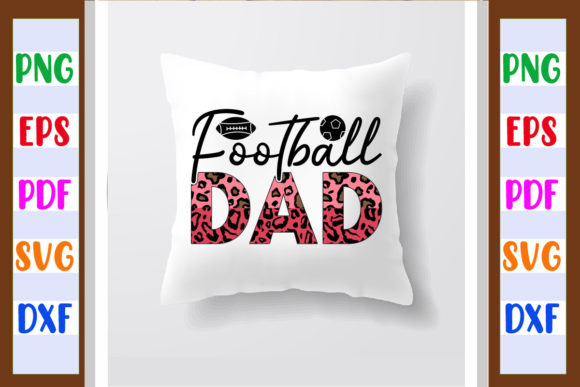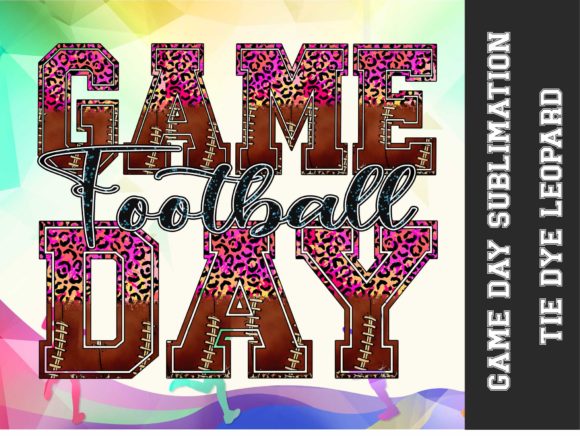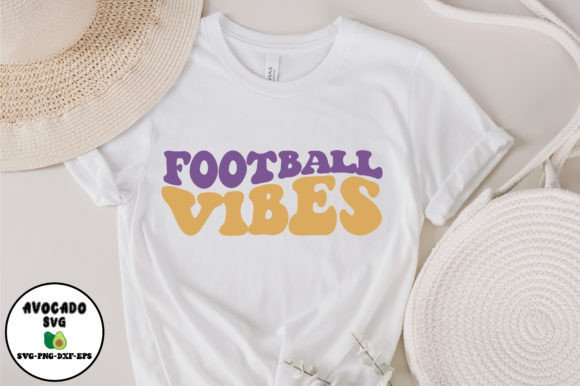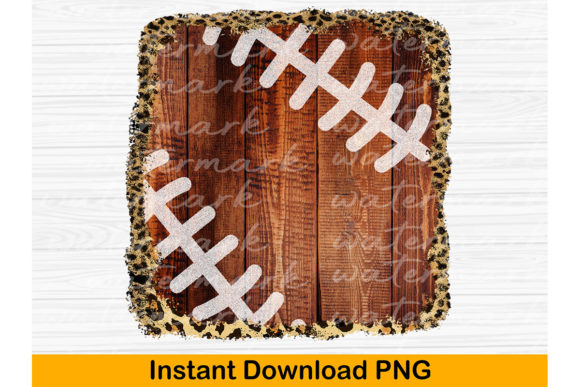
Football PNG, Football Sublimation
A Distressed Football Design That Feels Hand-Drawn—But Is It Embroidery-Ready?
I pulled up Football Png, Football Sublimation last week while prepping a custom order: a set of embroidered football-themed kitchen towels for a local youth league’s end-of-season gift bundle. The client wanted something nostalgic—not glossy or corporate—but warm, slightly weathered, with the quiet charm of a vintage team banner. That’s exactly what this design evokes at first glance: a distressed, hand-stenciled football silhouette layered over a subtle textured background. It’s not sharp-edged or hyper-realistic. It leans into imperfection—the kind that reads as intentional, not lazy.
Where This Design Naturally Lives (and Where It Doesn’t)
This isn’t a design built for crisp satin-stitched lettering on a performance polo. It’s better suited to projects where texture and character carry more weight than precision: embroidered tote bags with natural canvas, unbleached cotton tea towels, relaxed-fit sweatshirts, or baby onesies where softness and visual warmth matter most. I tested it as a center chest motif on a midweight french terry sweatshirt—hooped with medium tear-away stabilizer—and the weathered edges translated beautifully in thread. The distressed effect softened further in stitch, becoming tactile rather than pixelated.
That said, Football Png, Football Sublimation doesn’t hold up well on small hoop sizes under 4×4 inches without simplification. The outer “crackled” edge detail blurs when shrunk below ~3.5" wide, losing its intentionality and reading instead as unintentional fuzz. It also struggles on highly textured fabrics like bouclé or thick terry cloth—those tiny irregularities compete with the design’s own grain. And if you’re stitching on dark fabric, keep in mind: the PNG has no built-in white underlay or shadow layer, so contrast relies entirely on your thread choice and stabilizer opacity.
Real Use Notes from the Hoop
As a machine embroidery design, Football Png, Football Sublimation is a starting point—not a finished file. You’ll need to digitize it properly for your intended use. I ran it through my standard workflow: traced the outline, simplified inner breaks to avoid stitch crowding, added light fill stitch for body definition (not dense fill—just enough to ground it), and kept outer edges open for a raw, appliqué-friendly finish. That approach worked especially well for an embroidered patch project—I backed it with heat-n-bond lite, stitched the perimeter with a narrow satin stitch, then trimmed close. The result felt handmade, not mass-produced.
For baby embroidery? Proceed with care. The distressed look reads softly on light muslin or bamboo jersey, but avoid placing it near seams or elastic hems where puckering could distort the shape. On caps or curved surfaces, scale down to 2.75" max and reduce stitch density by 15%—otherwise, the fill areas can lift or shift during hooping. And always test on scrap fabric first: thread color contrast makes or breaks this design. Navy thread on heather grey cotton reads rich and grounded; pale yellow on oatmeal linen feels cheerful but risks fading visually.
What It Adds (and What It Requires) to Your Craft Business
If you’re an Etsy seller or small shop owner offering personalized gifts, Football Png, Football Sublimation brings instant thematic cohesion—it’s instantly recognizable as football, yet distinct enough from stock clipart to feel curated. Customers respond to that nuance. In mockups, it elevates a basic tote bag from “generic sports item” to “thoughtful fan gift.” But that value only holds if your execution matches the design’s tone. Over-digitizing it—adding too much fill, tightening every curve, forcing sharp corners—undermines its weathered soul.
For commercial embroidery, licensing is the quiet gatekeeper. Since this is a downloadable PNG file—not a pre-digitized embroidery file—you retain full control over how and where you apply it. But before listing finished products (e.g., “Personalized Football Towel” on Etsy), confirm whether the original license permits commercial use of derivative works. When in doubt, reach out to the creator. Most reputable Graphics sellers clarify this upfront; if not, assume personal use only until verified.
Practical Designer Checks Before You Stitch
- Test on scrap fabric first—especially if using textured, stretchy, or dark fabric.
- Review stitch density in your digitized version: high-density fills fight the distressed aesthetic and increase thread breakage.
- Confirm hoop size compatibility: aim for minimum 4×4 inches unless simplifying intentionally.
- Inspect small details at actual stitch size—what looks intentional on screen may read as messy in thread.
- Try black-and-white mockups to assess contrast and readability without color bias.
- Compare light vs. dark fabric backgrounds—the same thread can vanish or pop depending on base tone.
- Use appropriate stabilizer: medium cutaway for knits, tear-away for stable wovens, no-show mesh for lightweight items.
- Verify dual-use fit: does it serve both personal projects *and* your craft business branding consistently?
Final Thought: A Design With Quiet Confidence
Football Png, Football Sublimation won’t shout. It doesn’t need to. Its strength lies in restraint—in leaving space for the fabric, the thread, and the maker’s hand to speak alongside it. It fits naturally into Crafts where authenticity matters more than polish: holiday embroidery for little league families, boutique aprons for local cafés, personalized gifts that feel made *for* someone, not just *about* football. Used thoughtfully, it supports your voice as a designer—not the other way around. Just remember: a great PNG is only as strong as the intention behind its translation into stitch.